St. Lawrence River
The St. Lawrence River is the great river of eastern Canada, flowing from the Great Lakes through the province of Quebec and into the Atlantic Ocean. In Jules Verne's Twenty Thousand Leagues Under the Seas, it functions not merely as a geographical feature but as the emotional and symbolic heart of Ned Land's identity and his mounting desperation to escape the Nautilus. The river is the waterway that runs by Quebec, the harpooner's hometown, and its name becomes a rallying cry for his freedom, a direct challenge to Captain Nemo's authority, and a measure of the psychological toll exacted by their imprisonment.
Identity and Emotional Significance
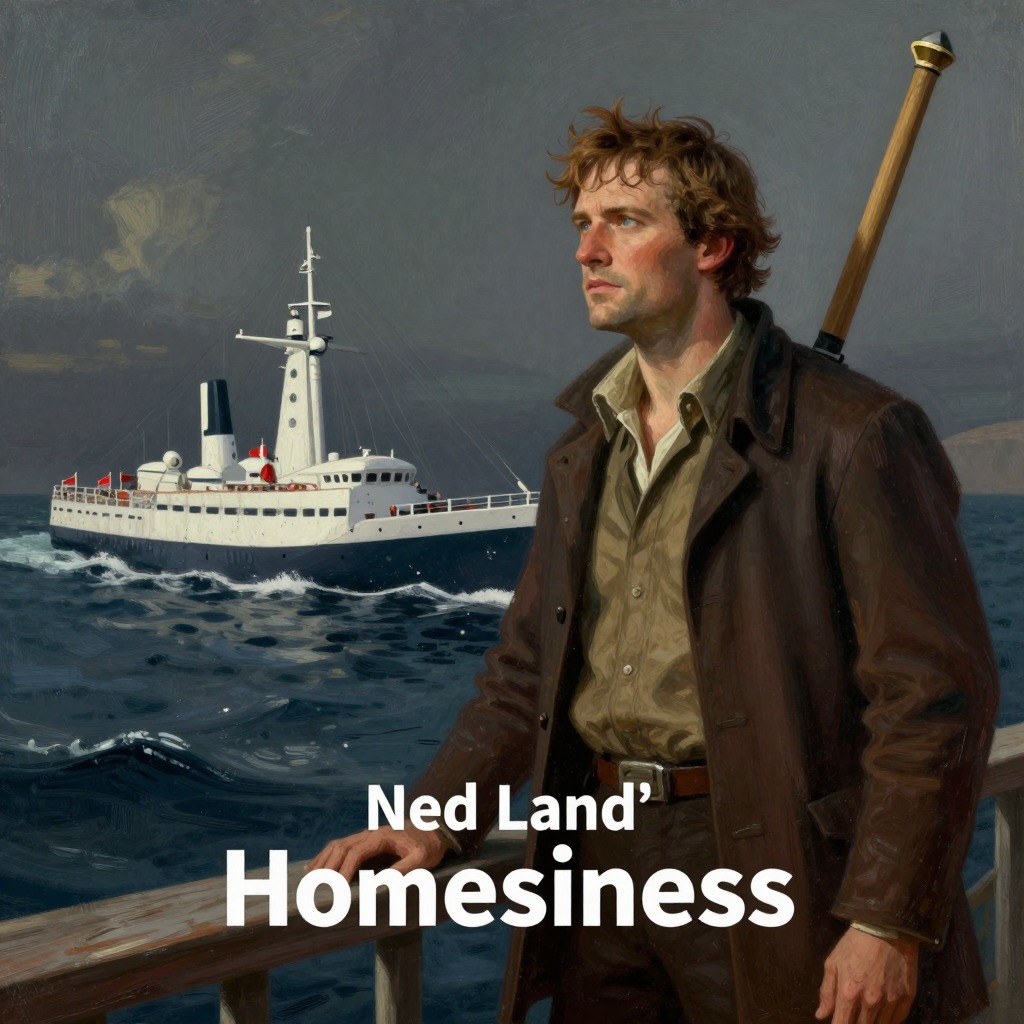
For Ned Land, the St. Lawrence River is synonymous with home, family, and a lost life of freedom. When the Nautilus approaches the coast of Newfoundland and the mouth of the Gulf of St. Lawrence, the Canadian is overwhelmed by a surge of homesickness that he can no longer contain. He tells Professor Aronnax that the St. Lawrence is "my own river, the river running by Quebec, my hometown," and the mere thought of it makes his "gorge rises and my hair stands on end" . This visceral reaction reveals that the river is not just a body of water but the embodiment of everything he has been denied for seven months: his native land, his former profession, and his personal autonomy. The St. Lawrence River thus becomes the geographical locus of his suffering and the primary symbol of the freedom he is determined to reclaim.
The St. Lawrence as a Catalyst for Confrontation
The proximity of the St. Lawrence River directly precipitates the final, decisive confrontation between Ned Land and Captain Nemo. Unable to bear the thought of being carried past his homeland, the harpooner insists that Aronnax demand an answer from the captain about their future. When Aronnax reports Nemo's refusal to release them, Ned Land declares, "Now we know that we can't expect a thing from this man. The Nautilus is nearing Long Island. We'll escape, no matter what the weather" . The St. Lawrence River, therefore, is the immediate cause of the prisoners' decision to risk a desperate escape, transforming Ned Land's longing into a concrete plan for action.
The River as a Boundary and a Lost Opportunity
The St. Lawrence River also marks a boundary between the prisoners and their freedom, a line they are unable to cross. After the devastating storm in the Gulf Stream, the Nautilus is thrown back to the east, and Aronnax notes with despair, "Away went any hope of escaping to the landing places of New York or the St. Lawrence" . The river, which had seemed so tantalizingly close, recedes into the distance, symbolizing the capricious nature of their captivity and the power of Captain Nemo to control their fate. This lost opportunity deepens Ned Land's despair and reinforces the sense that the Nautilus is a prison from which there is no easy escape.
Thematic Significance: Freedom, Identity, and the Cost of Captivity
The St. Lawrence River serves as a powerful thematic counterpoint to Captain Nemo's philosophy of oceanic independence. While Nemo finds freedom in the boundless, lawless depths of the sea, Ned Land's freedom is rooted in a specific, national, and personal geography. The river represents the tangible, human world of family, nation, and personal history that Nemo has rejected. Ned Land's anguished cry, "I'm suffocating!" when thinking of the St. Lawrence, underscores the fundamental incompatibility between the prisoners' need for a return to their own lives and the captain's vision of a permanent, self-contained existence beneath the waves. The St. Lawrence River is thus the geographical embodiment of the central conflict of the novel: the struggle between the allure of the unknown and the pull of home.